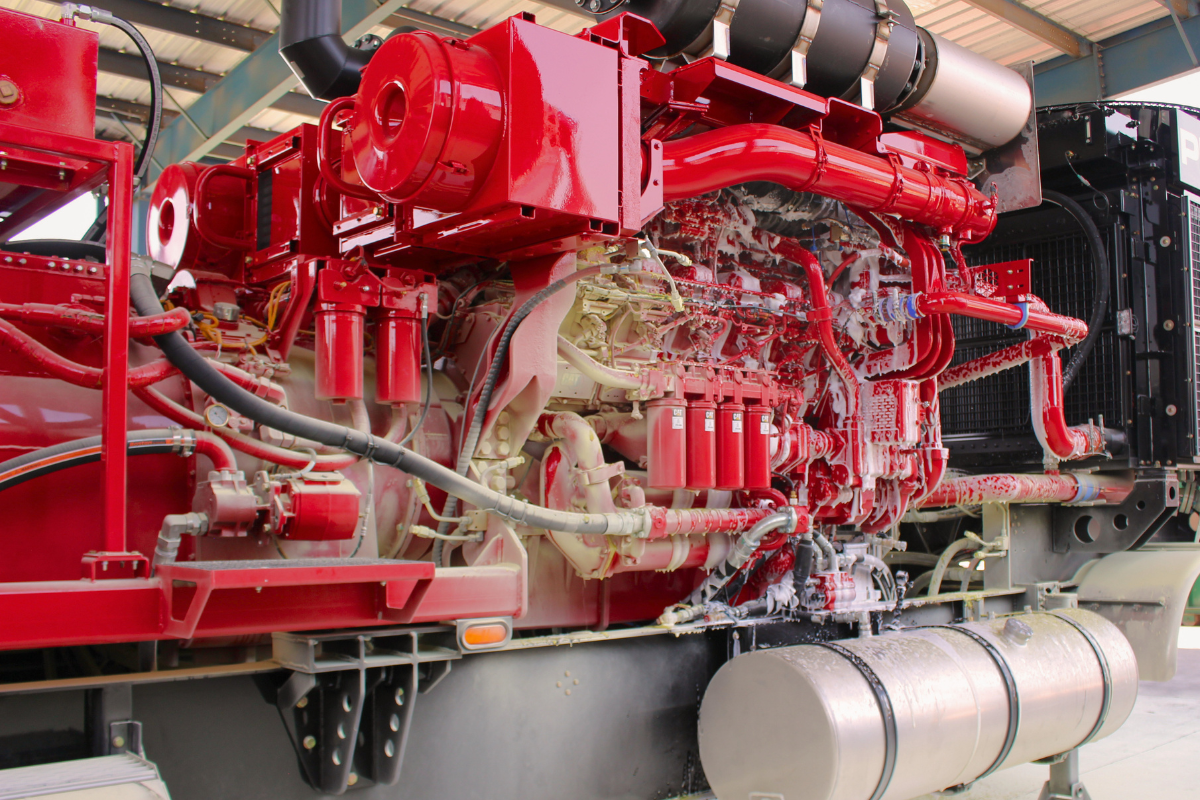
When a fire suppression system activates on heavy equipment, the immediate danger may be over – but the work is not.
Before that machine goes back into production, crews need to understand what caused the fire or discharge, inspect the equipment, complete necessary repairs, clean up the suppression agent, and restore the fire suppression system to operating condition.
The goal is not simply to get the machine running again. It is to make sure it is safe to return to service.
Here is what operators, maintenance teams, and equipment owners should expect after a heavy equipment fire suppression system discharge.
1. Make Sure People and Equipment Are Safe
Immediately following a fire or system discharge, personnel safety comes first.
Follow your site’s emergency procedures and:
- Make sure the operator and nearby personnel are safe.
- Shut down the equipment if it has not already stopped.
- Keep unauthorized personnel away from the machine.
- Confirm the fire is fully extinguished.
- Notify the appropriate maintenance and safety personnel.
Even when the fire appears to be out and machine damage looks minor, do not immediately return the equipment to service.
Hot surfaces, damaged wiring, leaking fluids, or other hazards may still be present.
2. Determine What Caused the Fire Suppression System to Discharge
The next question is simple: Why did the system activate?
In the case of an actual fire, maintenance teams should identify what started the fire – not just repair the visible damage.
Common heavy equipment fire hazards include:
- Hydraulic or fuel leaks
- Damaged electrical wiring
- Hot engine or exhaust components
- Accumulated combustible debris
- Component failures
If there was no apparent fire, the cause of the system activation should still be identified before the equipment returns to operation.
Possible causes can include damaged detection components, improper routing near high-temperature areas, machine damage, accidental manual actuation, electrical faults, or unauthorized modifications to the system.
A fire suppression system should not simply be recharged without understanding why it discharged. Finding the root cause helps reduce the chance of the same problem happening again.
3. Inspect the Machine for Fire Damage
Fire suppression is designed to help limit the severity of a fire, but it does not guarantee that the machine will be undamaged.
A thorough post-fire inspection may include:
- Engine compartment
- Hydraulic hoses and fittings
- Fuel lines and components
- Electrical wiring and connections
- Belts and filters
- Exhaust and aftertreatment components
- Structural components
- Fire detection devices
- Suppression nozzles, tubing, and other system components
The extent of the inspection will depend on the severity of the incident.
A small, quickly contained fire may require limited repairs. A larger fire involving critical components may require a more extensive evaluation before anyone can determine whether the machine is ready to return to work.
4. Clean Up the Fire Suppression Agent
Suppression agent should be cleaned from the equipment as soon as practical following a discharge.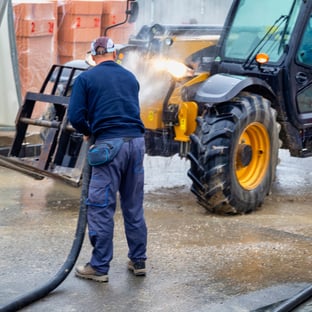
Cleaning Dry Chemical Agent
After a dry chemical system discharge:
- Wear appropriate personal protective equipment.
- Sweep or vacuum loose dry chemical residue.
- Wipe remaining material as needed.
- Wash affected areas with a mild soap-and-water solution and rinse.
- Use an approved electrical contact cleaner if electrical contacts were affected.
- Allow components to dry thoroughly.
Prompt cleanup helps prevent residue from remaining on machine components longer than necessary.
Cleaning Liquid Agent
Liquid agent will also leave residue following a discharge. Affected equipment should be cleaned according to the suppression system manufacturer’s instructions, with particular care around electrical and electronic components.
Whatever the agent type, follow the manufacturer's cleanup procedures for the specific system and agent involved.
5. Repair the Machine Before Returning It to Service
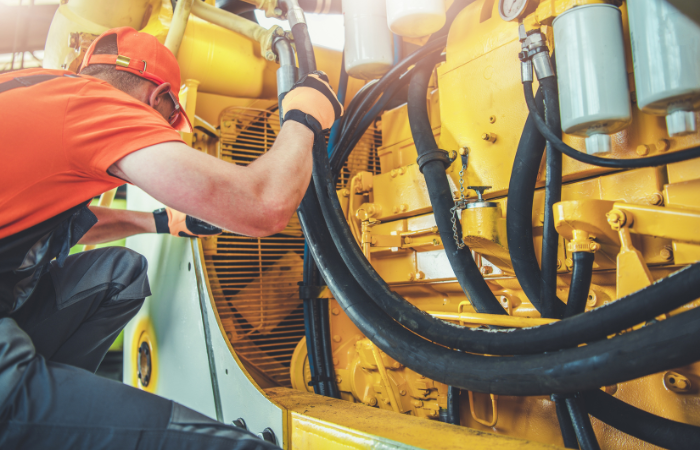
Recharging the suppression system is only part of the recovery process.
The underlying machine problem needs to be corrected first.
That may mean repairing a leaking hydraulic line, replacing damaged electrical wiring, removing combustible debris, repairing overheated components, or addressing another condition that contributed to the fire.
The suppression system itself should also be inspected for damage caused by the fire, machine repairs, or discharge.
The objective is to correct both sides of the incident:
What caused the fire and what needs to be done to restore the fire protection system?
6. Have the Fire Suppression System Serviced and Recharged
.png?width=282&height=423&name=dual%20agent%20mining%20tanks%202%20(3).png)
A discharged fire suppression system is no longer ready to protect the machine from another fire.
Restoring it involves more than simply adding suppression agent.
Depending on the system and the incident, service may include:
- Recharging agent tanks or cylinders
- Replacing actuation components
- Replacing activated or damaged detection devices
- Inspecting nozzles and distribution lines
- Checking electrical and control components
- Performing required system tests
- Confirming the complete system is operational
AFEX systems should be serviced and recharged according to AFEX procedures by appropriately trained fire suppression personnel.
The machine should not return to normal operation until both the equipment and its fire suppression system are ready for service.
7. Document What Happened
A discharge can also provide useful information for future fire prevention.
Depending on company requirements and the severity of the incident, documentation may include:
- Cause of the fire
- Cause of the system discharge
- Areas of the machine affected
- Repairs performed
- Suppression components replaced
- System recharge or service date
- Technician information
- Date the equipment returned to service
These records can support maintenance programs, internal safety reviews, regulatory requirements, insurance documentation, and future troubleshooting.
8. Look for Ways to Reduce Future Fire Risk

Once the immediate repairs are complete, look beyond the individual incident.
Ask questions such as:
- Did a hydraulic or fuel leak contribute to the fire?
- Was combustible debris allowed to accumulate?
- Were recommended maintenance intervals being followed?
- Could pre-shift inspections identify the problem earlier?
- Does the machine need more frequent inspection as it ages?
- Do operators understand what to do during a machine fire?
- Did any machine modifications change the original fire hazards?
The purpose is not just to determine what went wrong. It is to use what happened to improve fire prevention going forward.
Your Fire Suppression Provider Should Be Part of the Process
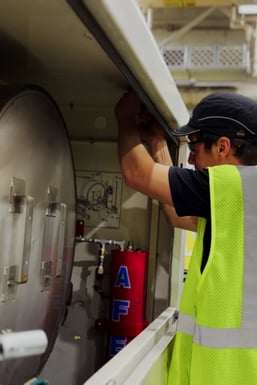 The relationship with a fire suppression provider should not end when the system is installed.
Following a discharge, a trained provider can help with system inspection, component replacement, proper recharging, performance review, and recommendations for future risk reduction.
That ongoing service relationship matters because the machine itself does not stay exactly the same throughout its life.
Components wear. Repairs are made. Operating conditions change. Fire risks can change with them.
Fire protection should change with the equipment when necessary.
A Fire Suppression System Discharge Is Part of the Protection Process
When a fire suppression system successfully activates during a fire, cleanup and repairs should not be viewed as evidence that the system failed.
Fire suppression systems are designed to limit the severity of a fire and help protect the operator, equipment, and surrounding operation.
The goal is damage mitigation – not a guarantee of zero damage.
A contained incident that requires cleanup, repairs, and system recharging can be a much better outcome than an uncontrolled fire that results in major equipment loss, extended downtime, or a threat to personnel.
What happens next matters.
Identify the cause. Repair the machine. Restore the suppression system. Document the incident. Then use what you learned to reduce the chance of another fire.
That process helps get equipment back to work safely - and helps make sure the fire suppression system is ready when it is needed again.