
When comparing fire suppression systems for heavy equipment, the initial purchase price is only part of the equation.
Inspection requirements, replacement components, serviceability, equipment downtime, system durability, parts availability and the consequences of a fire can all affect what a fire suppression system ultimately costs over the life of a machine.
That makes a better purchasing question:
What will this fire suppression system cost to own, maintain, and rely on throughout the life of my equipment?
What Should You Consider When Comparing Fire Suppression System Costs?
A meaningful cost comparison should look beyond the initial quote and consider:
- Equipment and installation costs
- Inspection and maintenance requirements
- Replacement parts and consumables
- Component durability and replacement intervals
- Ease of service and recharge
- Parts and technician availability
- Equipment downtime
- Third-party testing and certifications
- Suitability for the equipment and operating environment
- Potential financial impact of an equipment fire
The lowest purchase price and the lowest long-term cost are not necessarily the same.
What Is the Total Cost of Ownership of a Fire Suppression System?
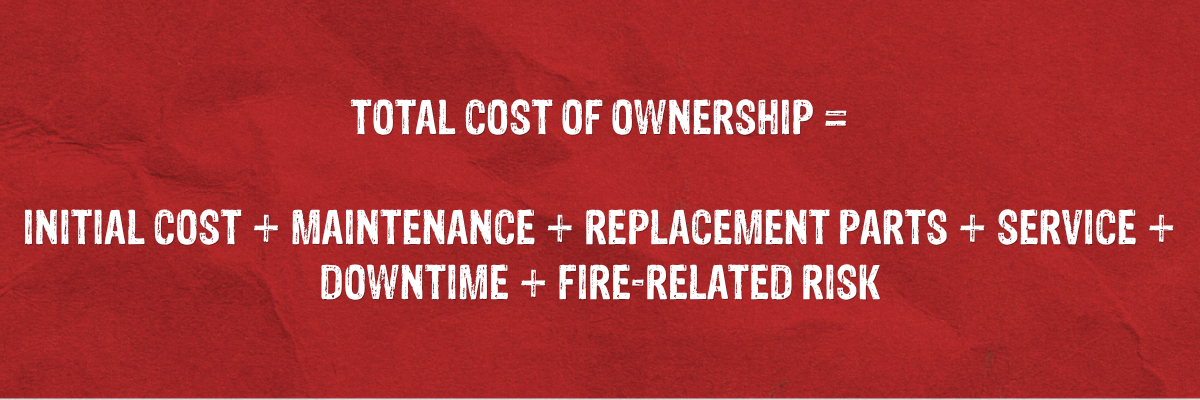
Total cost of ownership, or TCO, considers what a fire suppression system costs throughout its operating life, not simply what it costs on installation day.
A simple way to think about it is:
Total Cost of Ownership = Initial Cost + Maintenance + Replacement Parts + Service + Downtime + Fire-Related Risk
A relatively small difference in upfront price can become less significant when measured against years of equipment operation.
For fleet owners, the better comparison isn’t simply:
“Which system costs less today?”
It’s:
“What will each system require from us over the life of this machine?”
How Can Component Quality Affect Fire Suppression Costs?
Fire suppression systems installed on heavy equipment operate in demanding conditions that can include vibration, impact, dust, moisture, debris, corrosion, and temperature extremes.
Component design matters. 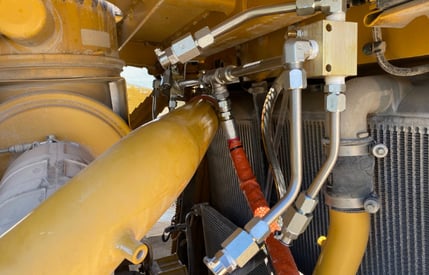
AFEX, for example, uses stainless steel tubing throughout much of its distribution network. Stainless steel helps resist corrosion and provides a durable alternative to extensive hose routing in harsh mobile equipment applications.
Rugged mounting hardware and components designed specifically for heavy-duty mobile equipment can also help a system withstand years of machine movement and demanding operating conditions.
High-quality components aren’t simply a product feature. Durability can affect maintenance requirements, system reliability, and lifecycle cost.
How Can Fire Suppression System Quality Help Protect Equipment Uptime?
For heavy equipment operators, machine availability has real financial value. When critical equipment is unexpectedly unavailable, the impact can extend to production, schedules, maintenance resources, and surrounding operations.
Protecting uptime starts with the complete fire protection strategy:
- Third-party testing: Systems tested specifically for heavy-duty mobile equipment are evaluated against demanding conditions such as vibration, shock, corrosion, and temperature extremes.
- Durable components: Components designed for harsh mobile environments can help reduce premature failures and unnecessary repairs.
- Reliable service partners: Access to trained technicians, replacement parts, and knowledgeable support helps keep systems properly maintained and equipment protected.
- Regular preventive maintenance: Routine inspections can help identify damaged, worn, or compromised components before they affect system readiness.
Together, these factors support system reliability and help reduce the risk of avoidable equipment interruptions.
And when an equipment fire does occur, the cost of downtime can become much greater. A fire may take a critical machine out of operation, disrupt production, require significant repairs, and potentially affect nearby assets or infrastructure.
That makes equipment availability an important part of the total cost conversation.
Why Does Third-Party Testing Matter?
Price alone does not tell you whether a fire suppression system has been designed and tested for the environment in which it will operate.
Heavy-duty mobile equipment experiences vibration, shock, contamination, corrosion, temperature extremes, and mechanical stresses that stationary equipment may not encounter.
Independent testing provides objective evidence that a system has been evaluated for against recognized standards.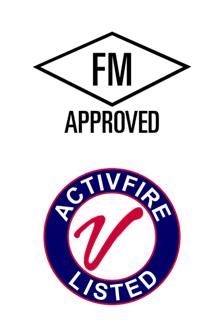
AFEX fire suppression systems have third-party approvals for heavy-duty mobile equipment applications, including FM 5970 HDME and AS 5062.
FM 5970 evaluates more than fire performance. Testing also addresses environmental conditions encountered by mobile equipment, including vibration, shock, corrosion, and temperature exposure.
When comparing systems, third-party testing provides an important point of evaluation beyond purchase price.
How Does Service Support Affect the Long-Term Fire Suppression Cost?
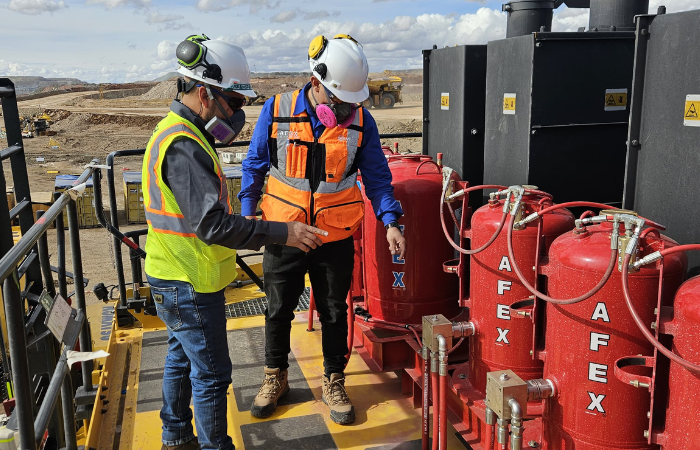
Even a well-designed system needs proper inspection, maintenance, and support throughout its operating life.
That makes the service network behind the system an important part of the buying decision.
Ask:
- Are trained technicians available where our equipment operates?
- Are replacement parts readily available?
- Can the system be inspected and serviced efficiently?
- What is required after a system discharge?
- How quickly can the system be recharged and returned to service?
- Does the provider understand our equipment and operating environment?
This is especially important for fleets operating across multiple locations or in remote mining, forestry, construction, waste and recycling, and oil and gas environments.
The value of a fire suppression provider extends well beyond the initial installation.
What Does Equipment Fire Risk Add to the Cost Equation?
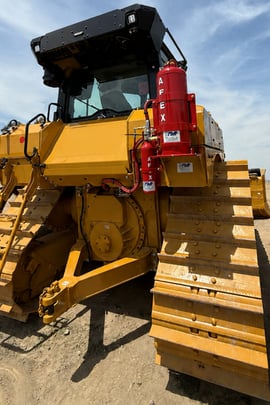 A fire suppression system protects more than the physical machine.
A significant equipment fire can affect:
- Operators and nearby personnel
- High-value equipment
- Production
- Nearby machines and assets
- Facility infrastructure
- Maintenance resources
- Business continuity
Those consequences can far outweigh the initial price difference between two fire suppression systems.
Fire protection purchasing decisions should therefore consider both the cost of the system and the risk it is designed to help manage.
Choosing based on price alone may overlook some of the factors that matter most when the system is actually needed.
10 Questions to Ask Before Choosing a Fire Suppression System
Before comparing quotes, ask each supplier:
- Has the system been independently tested for heavy-duty mobile equipment?
- How is the system designed to withstand vibration, corrosion, temperature extremes, and harsh operating conditions?
- What are the required inspection and maintenance intervals?
- Which components require scheduled replacement?
- How readily available are replacement parts?
- Are trained service technicians available where our equipment operates?
- What is involved in servicing or recharging the system after a discharge?
- How quickly can equipment typically return to service following maintenance, repair, or discharge?
- How could the system's design and service requirements affect equipment availability over time?
- What will this system likely cost to own and support over the expected life of our equipment?
The Lowest Price Isn’t Always the Lowest Cost
Initial purchase price matters, but it shouldn’t be the only factor in a fire suppression decision.
System design, component durability, independent testing, preventative maintenance, service support, equipment availability, and fire risk all contribute to long-term value.
For heavy equipment operators, the better question isn't simply:
“Which fire suppression system costs less today?”
It's:
“Which system gives us the right combination of protection, durability, reliability, and long-term support for our equipment?”
That is a much more meaningful measure of value over the life of the machine.