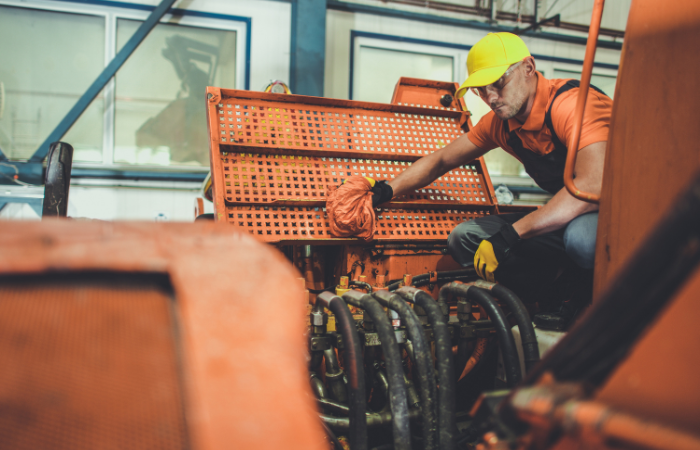
Fire suppression should be part of everyday equipment care.
Heavy equipment depends on regular preventive maintenance to stay safe, reliable, and ready for work. The fire suppression system should be included in that same process.
Routine inspections and professional service help identify damage, faults, or changes that could affect system performance. They also help keep the system ready to protect the operator, reduce equipment damage, and limit the impact of a fire on production.
Installing a fire suppression system is an important first step. Maintaining it throughout the life of the machine is just as important.
Why Fire Suppression Belongs in Preventive Maintenance
Heavy-duty mobile equipment works in harsh conditions.
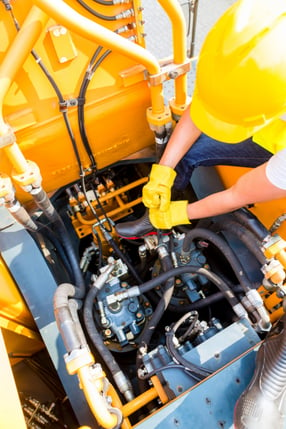 Vibration can loosen hardware. Heat can affect wiring and detection components. Dirt, grease, and debris can collect around nozzles and hazard areas. Corrosion, pressure washing, equipment wear, and routine repairs can also affect the system.
These changes may happen between scheduled service visits.
Including basic fire suppression checks in preventive maintenance helps teams:
- Identify visible damage early
- Find blocked or misaligned nozzles
- Recognize warning lights or system faults
- Confirm that manual activation devices remain accessible
- Address concerns before the machine returns to work
- Support site requirements and applicable maintenance standards
Fire suppression maintenance works alongside good machine maintenance. Fuel or hydraulic leaks, damaged wiring, oil-soaked debris, and overheating components still need to be corrected promptly.
The goal is to reduce fire risk wherever possible and keep the suppression system ready if a fire does occur.
Operator Checks and Professional Service
Operators are often the first people in a position to notice that something has changed.
A quick visual inspection before each shift can identify obvious concerns, but it doesn’t replace service by a trained fire suppression technician.
What should operators check?
A pre-shift check may include:
- Confirming that the monitor panel shows normal system status
- Looking for visible damage to tanks, hoses, wiring, nozzles, and detection components
- Checking that nozzles are secure, properly positioned, and free from debris
- Looking for corrosion, leaks, loose hardware, or missing components
- Confirming that manual activation devices are visible and accessible
- Reporting alarms, trouble signals, or signs of a previous activation
Operators should know what normal looks like and how to report a concern. They should not adjust or repair the system unless they are trained and authorized to do so.
What happens during professional service?
A trained fire suppression technician may perform:
- A detailed inspection of the complete system
- Testing of detection, alarm, and actuation functions
- Checks of agent and pressurization conditions
- Inspection of hoses, tubing, wiring, nozzles, brackets, and tanks
- Cleaning or replacement of damaged components
- Verification that the intended hazard areas remain protected
- Recharge and reset following a system activation
- Completion of inspection and service records
The exact service requirements depend on the installed system, operating environment, manufacturer guidance, site policies, and applicable standards.
Add Fire Suppression to Existing Checklists
Fire suppression inspections do not need to become a separate, complicated process.
A few clear items can be added to the checklists operators and maintenance teams already use.
Instead of a broad instruction such as “inspect the fire suppression system,” use specific checks:
- Monitor panel displays normal status
- Nozzles are secure and unobstructed
- Hoses and wiring show no visible damage
- Manual activation devices are accessible
- No alarms or warning lights are present
The checklist should also make responsibilities clear:
- What the operator inspects
- What site maintenance personnel may address
- When a trained fire suppression technician is required
- How concerns are reported
- Who determines whether the machine can return to service
- Who confirms that corrective work was completed
Simple checks with clear ownership are more likely to be completed consistently.
When Should the System Be Inspected?
Scheduled technician service is important, but it should not be the only time the fire suppression system receives attention.
A strong maintenance program may include: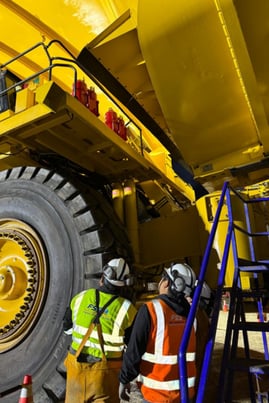
- Pre-shift visual checks
- Routine reviews during equipment maintenance
- Scheduled service by trained technicians
- Inspections after equipment repairs or modifications
- Inspections after a collision, rollover, or major impact
- Additional checks after pressure washing or deep cleaning
- Inspection following a warning, fault, or alarm
- Service and recharge after an activation
Operating conditions matter, too.
Machines exposed to heavy vibration, dust, debris, moisture, corrosion, extreme temperatures, or frequent washing may require more attention than equipment working in less demanding environments.
Review Fire Suppression Components After Equipment Repairs
Work performed elsewhere on the machine can unintentionally affect the fire suppression system.
Heavy equipment compartments are crowded. Technicians may need to move hoses, wiring, brackets, guards, or nozzles to reach another component.
A nozzle could be reinstalled at the wrong angle. Detection wire could be pinched or cut. A hose could be routed against a hot or moving part. A new guard or attachment could block agent distribution.
A fire suppression review should be considered after:
- Engine or transmission replacement
- Hydraulic or fuel system repairs
- Electrical work
- Welding or fabrication
- Turbocharger or exhaust repairs
- Equipment rebuilds
- Pressure washing or deep cleaning
- Installation of guards, attachments, or aftermarket components
Maintenance work orders can include one simple question:
Were any fire suppression components moved, removed, damaged, or obstructed during the repair?
When the answer is yes – or the technician is unsure – the system should be reviewed before the machine returns to work.
Revisit Fire Risks When the Machine Changes

A fire suppression system should be designed around the machine, its hazards, and the environment where it works.
Those conditions can change over time.
Common fire risks include:
- Fuel and hydraulic fluid leaks
- Oil-soaked debris
- Damaged electrical components
- Hot exhaust and turbocharger surfaces
- Accumulated combustible material
- New components installed near hazard areas
- Guards or attachments that interfere with detection or agent distribution
The machine’s fire risk should be reviewed when it is:
- Rebuilt or repowered
- Modified
- Assigned to a different application
- Moved into a different operating environment
- Equipped with new guards or attachments
- Involved in a fire or overheating event
For example, a machine moved into forestry or waste handling may experience much heavier debris accumulation than it did in its original application.
The fire suppression system should continue to match the machine’s current configuration and fire risks, not only the way it was configured when the system was first installed.
Train the People Working Around the System
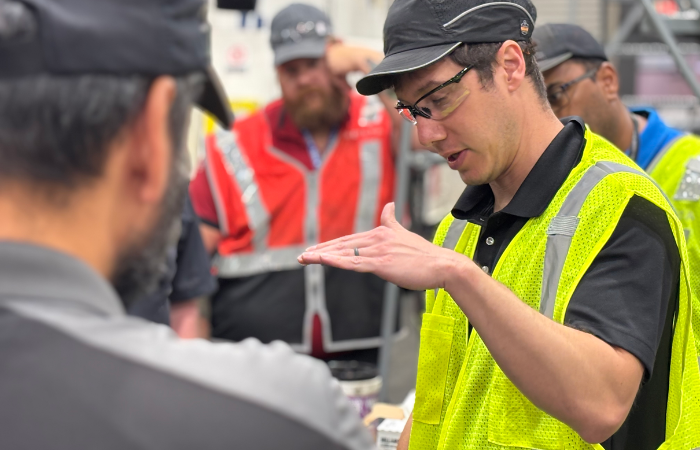
Operators and maintenance teams do not need to become fire suppression experts. However, they DO need to understand the system installed on their equipment.
Operator and maintenance personnel training should cover:
- Basic system components
- What normal monitor panel status looks like
- Common warning signs
- Manual system activation
- Safe machine shutdown and evacuation
- How to report damage, faults, or activations
- Why unauthorized system changes are not permitted
Employees should also understand that personal safety comes first.
The purpose of the onboard system is to suppress fire in protected areas and help support a safe response. Operators should not remain near a growing fire or place themselves in danger trying to save the machine.
Training can be reinforced through onboarding, equipment-specific instruction, toolbox talks, safety meetings, and reviews following a fire or system activation.
Keep Clear Maintenance Records
Good records help confirm that service was completed and show whether the same problems continue to occur.
Records may include:
- Inspection and service dates
- Technician findings
- System alarms or faults
- Damaged or replaced components
- Equipment repairs or modifications
- Fire events and system activations
- Recharge and return-to-service information
- Corrective actions and responsible personnel
Details matter.
If a nozzle is repeatedly knocked out of position, simply recording that it was adjusted does not explain why the problem keeps happening. The team may need to review its location, bracket, guarding, cleaning process, or maintenance procedures.
Maintenance records can turn repeated problems into opportunities to improve the system and the way the equipment is serviced.
Measure Whether the Program Is Working
Completed inspections are one measure of a maintenance program, but they do not tell the whole story.
Organizations can also review:
- Inspections completed on time
- Open or unresolved faults
- Time required to correct reported concerns
- Repeat damage to the same components
- Issues discovered after equipment repairs
- Employee training completion
- Findings from fire events or system activations
These trends can help teams improve inspection frequency, training, component protection, and maintenance procedures.
The goal is not more paperwork. It is better information and a fire suppression system that remains ready for the conditions where the machine works.
Make Fire Suppression Part of Equipment Reliability
Fire protection is not separate from equipment reliability.
A machine is not fully ready for work when its fire suppression system has a known fault, damaged component, or overdue service requirement.
Regular operator checks, professional service, employee training, accurate records, and coordination between maintenance and safety teams all help support system readiness.
AFEX specializes in fire suppression systems for heavy-duty mobile equipment. Our systems are purpose-built for demanding operating environments and designed to provide rugged, reliable protection without adding unnecessary complexity to equipment maintenance.
When fire suppression becomes part of preventive maintenance, it supports a broader goal: protecting operators, equipment, and production.
Need help reviewing fire protection for your fleet? Contact AFEX to discuss your machines, operating conditions, and maintenance needs.
Frequently Asked Questions