
A fire suppression system is a critical line of defense, designed to protect operators, equipment, and your operations when seconds matter. But what happens when that protection system activates without warning… and without reason?
If you’ve experienced a false discharge, you know it’s more than just annoying. It’s disruptive, costly, and potentially dangerous.
Here’s the truth:
False discharges aren’t normal. And they shouldn’t be happening.
Let’s break down why they occur, how to prevent them, and what to do if it happens to you.
What Is a False Discharge?

A false discharge, sometimes referred to as a phantom discharge, is when a fire suppression system activates without the presence of a fire, heat, or emergency condition. These events can lead to:
- Machine downtime and lost productivity
- Costly system recharges and unnecessary cleanup
- Reduced operator confidence
- Missed opportunities to stop a real fire if the system isn't recharged in time
Common Causes of False Discharges
If your system is going off without a valid reason, it’s time to take a closer look. Here are some of the most common culprits:
1. Operator Interaction
Sometimes, actuators are triggered unintentionally. While this might look like operator error, it often highlights the need for:
- Thoughtful system design that limits exposure to false trigger points
- Clear operator training resources
- Physical safeguards, like actuator seals
2. Gaps in Maintenance

Even the most rugged systems need regular maintenance. Lapsed inspections or missed service windows can result in components degrading or drifting out of spec, increasing the risk of a false activation.
Working with a certified fire suppression technician for routine inspections and documented recertifications is key. In fact, regular maintenance and system recertification are required by NFPA standards to ensure system performance and compliance.
Maintenance best practices include:
- Daily walkarounds by operators
- Trained maintenance staff
- Documented inspections by certified technicians

3. Installation Issues
False discharges can often be traced back to installation missteps. Were components like linear detection wire routed correctly and according to spec? Was the final install reviewed and signed off by a certified technician?
Equally important is conducting a Fire Risk Assessment (FRA) before installation. An FRA helps ensure the system design matches the machine’s fire risks and working environment – reducing the chances of both false activations and inadequate protection.
Without that assurance, issues may remain hidden until it’s too late. That’s why proper documentation, technician certification, and a strong quality process are essential.
4. Environmental Conditions
Harsh working environments – like extreme heat, vibration, or dust – can impact system performance. If the system isn’t certified for your application, it may be more prone to failure, including false activations.
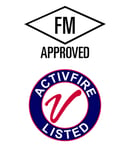
Look for third-party certifications such as:
These certifications ensure the system has been tested for shock, vibration, and other real-world conditions your machines face every day.
How to Reduce the Risk of False Discharges
False discharges aren’t normal. Here are several important factors to look for when evaluating a fire suppression system:
- Quality assurance – systems should be tested and documented before they ever leave the factory
- Operator training support – builds confidence and safe practices
- Simple, rugged design – fewer exposed triggers = fewer problems
- OEM collaboration – ensures thoughtful component placement
- Side-cartridge tanks – pressurized only at discharge = fewer leak points
- Independent detection – not dependent on pressure loss
- Coil guards – prevent accidental damage to detection wire
- Minimized wiring complexity – fewer electric actuators and connectors = lower failure risk

Investigate, Don’t Ignore
If your system has discharged without cause, don’t shrug it off. It’s a sign that something may be wrong.
Ask yourself:
- Was the install performed and signed off by a certified technician?
- Is your maintenance up to date and well-documented?
- Are your operators and staff trained on both system use and fire prevention?
- Is the system tested and certified for your equipment’s operating environment?
Fire suppression systems should only activate when truly needed, not at random. Investigating now helps you prevent downtime, protect your people, and stay confident in your system’s performance.