
In oil, gas, and energy, equipment runs hard, often in heat, dust, vibration, and long shifts. When something goes wrong, it can go wrong fast. That’s why fire protection can’t be an afterthought.
In a recent Energy Espresso interview recorded in Midland, Texas at the Daniel Energy Partners Permian Basin BBQ Cook-Off, host Dave Bosco spoke with Josh Jones, Vice President of Oil, Gas & Energy at AFEX, about how modern operations are using automatic fire suppression to reduce risk, protect production, and most importantly, help people go home safe.
Let’s break down the key points from the conversation.
Fire Risk Is Real – And It’s Not Just A “Small Problem”
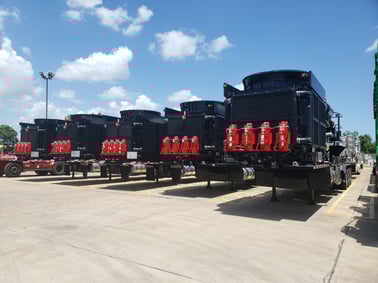
Josh explains that AFEX was brought into the Permian Basin around 2016–2017 because operators wanted a better way to deal with fires on critical assets – without putting people in harm’s way.
He calls out equipment like:
- frac pumps
- power generation units
- hot oil machines
- drill rigs and gen sets
In his words, if it has an engine tied to production, it’s worth looking at fire suppression.
Dave backs this up with a blunt reminder: before automatic systems became common, crews could lose entire fleets. He describes equipment so damaged it looks “literally melted.”
That’s the reality safety managers are trying to prevent.
How AFEX Helps Manage Fire Risk
Josh describes AFEX as a fire suppression system, but he also calls it a risk management strategy for high-value assets that drive production.
In other words: it’s not only about fighting fire. It’s about reducing the impact of a “thermal event” before it becomes a shutdown, an injury, or a total loss.
Early-Stage Control: Stop It While It’s Still Small
One of the most useful parts of the interview is how Josh explains “incipient fire control.”
He shares that in heavy equipment applications, AFEX often uses ABC dry chemical powder and places nozzles around the machine based on a Fire Risk Assessment. The goal is to knock down fast-moving fires – like hydraulic spray fires – quickly.
For high-horsepower equipment, he describes adding liquid agent to cool things down and reduce reflash risk:
- knock down the fire
- cool hot surfaces
- improve your chances of controlling the event before it grows
Simple takeaway: the earlier you act, the better your outcome.

The Goal Is Fewer “Heroes”
Josh says it clearly: “We don’t want to make heroes. We want our people to go home all day long.”
That’s the cultural shift happening in oil and gas:
- from “grab an extinguisher and run in”
- to “have a system and a protocol, and get people out safely”
He’s also careful to note that automatic fire suppression isn’t meant to replace everything (like firefighting resources), but it can handle the kind of early-stage events that often turn into major losses.
Reliability Depends on Maintenance and Training
A suppression system must work when it’s needed.
Josh talks about how harsh these environments are – washboard roads, extreme heat, tough duty cycles –and why “fit for purpose” matters. He also connects reliability to the basics: inspections and upkeep.
And he makes an important point: one of the worst outcomes is when people don’t know what to do with the system – how to operate it, maintain it, and respond when it activates.
If you’re a safety manager, this is a good reminder:
- installation matters
- inspections matter
- training matters
Final Thought
This interview is a solid snapshot of where the industry is headed: more discipline, more prevention, and less reliance on luck.
Automatic fire suppression isn’t about being dramatic. It’s about protecting people, protecting production, and controlling problems early – before they get big.
If you work in oil, gas, and energy operations, and you’re responsible for safety, uptime, or asset protection, this episode is worth a watch: