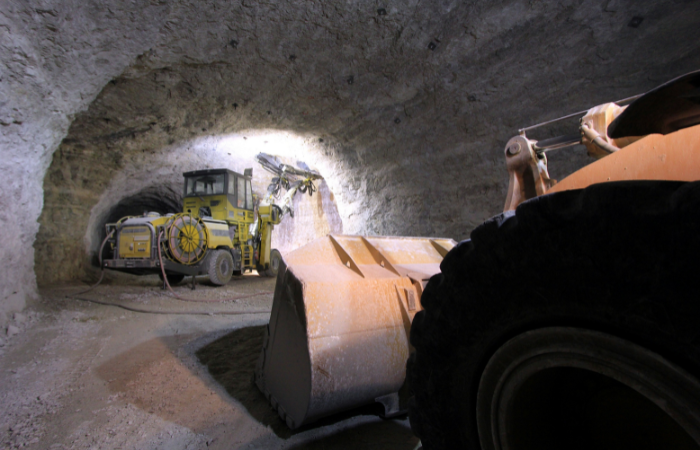
An equipment fire underground puts more than one machine at risk. It can expose operators to heat and smoke, interrupt production, and create a difficult emergency in a confined environment.
Underground coal mines introduce another concern: equipment must be suitable for areas where methane or combustible coal dust may be present.
Fire protection must account for both the hazards on the machine and the potential to ignite the surrounding atmosphere. For equipment operating where permissible electrical equipment is required, that means selecting a fire suppression configuration approved for the intended application.
What Does “Mine Permissible” Mean?
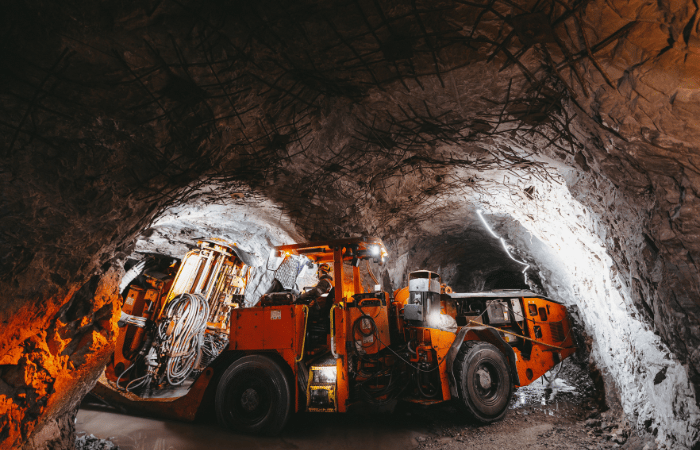
In U.S. underground coal mining, permissible equipment meets applicable MSHA requirements for use under specified conditions. MSHA approval applies to the equipment or configuration identified in its documentation.
“Mine permissible” describes approval status and suitability for specified uses. Intrinsically safe circuits and explosion-proof components describe protection methods used to address ignition risks. The methods required depend on the approved configuration.
For fire suppression buyers, the important questions are which configuration is covered, where it can be used, and how it must be installed and maintained.
How Do Intrinsically Safe and Explosion-Proof Components Help?
Intrinsic safety limits the electrical and thermal energy available in specified circuits so they cannot ignite a hazardous atmosphere under the conditions covered by the approval.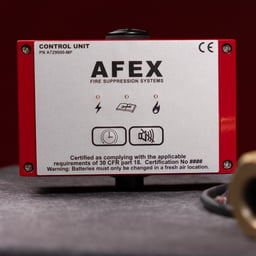
In plain English, an intrinsically safe circuit is designed to keep its electrical energy from becoming an ignition source.
Explosion-proof components use a different approach. Their enclosures are designed to withstand an internal explosion and prevent it from igniting the surrounding atmosphere.
AFEX’s Mine Permissible Fire Suppression System combines intrinsically safe electrical circuits with an explosion-proof firing mechanism within its MSHA-approved configuration.
Neither protection method makes the machine fireproof or eliminates the need to address equipment fire hazards.
Ignition Protection and Fire Suppression Address Different Risks
A machine can include intrinsically safe circuits and explosion-proof components and still have fire hazards.
Fuel, hydraulic fluid, lubricants, hot surfaces, and accumulated combustible material can all contribute to an equipment fire. A hydraulic leak near a hot component, for example, can create a fire risk even when the fire suppression system’s electrical components meet their approval requirements.
Mine operators therefore need to address two connected responsibilities:
- Prevent electrical components from becoming ignition sources in the surrounding atmosphere.
- Address the fire hazards that remain on the machine.
A suitable fire suppression configuration works alongside preventive maintenance, housekeeping, inspections, and a machine-specific fire risk assessment.
Select Fire Protection for the Machine and Its Operating Area
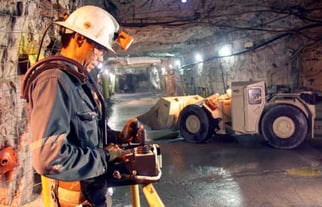 Fire suppression selection starts with understanding the equipment and where it works.
Mine operators, OEMs, and equipment rebuilders should review:
- The machine’s power source, combustible fluids, and heat sources
- The areas of the machine that need protection
- The requirements of the intended operating area
- Available space for components, wiring, and distribution hardware
- Access for inspection, maintenance, and replacement parts
- The scope and installation conditions of the applicable approval
An approved component does not make every possible system arrangement suitable. The installed configuration must follow its approved documentation.
For OEMs and rebuilders, this review should happen early enough to account for system installation and service access.
Maintenance Helps Preserve the Approved Configuration
Vibration, moisture, debris, and routine machine repairs can affect fire suppression components and connections over time.
Maintenance teams should follow the manufacturer’s procedures and confirm that installed components, wiring, and connections remain consistent with the approved configuration.
Before substituting a part, adding an accessory, or changing a connection, verify that the change is permitted. A similar-looking component may have different electrical characteristics or approval conditions.
Correct replacement parts, clear documentation, and access to technical support help technicians maintain the system properly.
AFEX’s Mine Permissible Fire Suppression System
The AFEX Mine Permissible Fire Suppression System is an MSHA-approved configuration designed for heavy-duty mobile equipment operating in U.S. underground coal mines, including areas where permissible electrical equipment is required.
The configuration incorporates:
- Control Unit-MP monitor panel: Intrinsically safe electrical circuits supporting one detection circuit and one actuation circuit.
- Explosion-proof firing mechanism with MSHA-specific electric actuator: Tested in a methane atmosphere to verify that actuation does not ignite the surrounding atmosphere under the evaluated conditions.
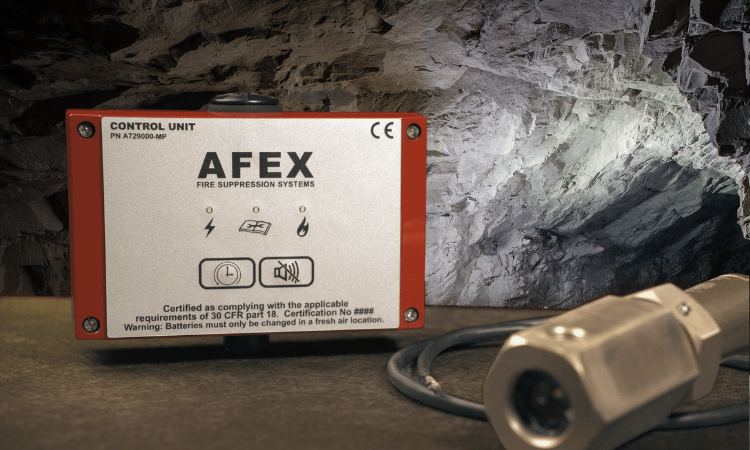
MSHA approval applies to this specific configuration and the conditions identified in its documentation. Approval of the fire suppression configuration does not, by itself, establish that the entire machine is permissible.
AFEX and your authorized distributor can review your equipment, fire hazards, and operating area to determine whether the system is suitable for your application.
Frequently Asked Questions